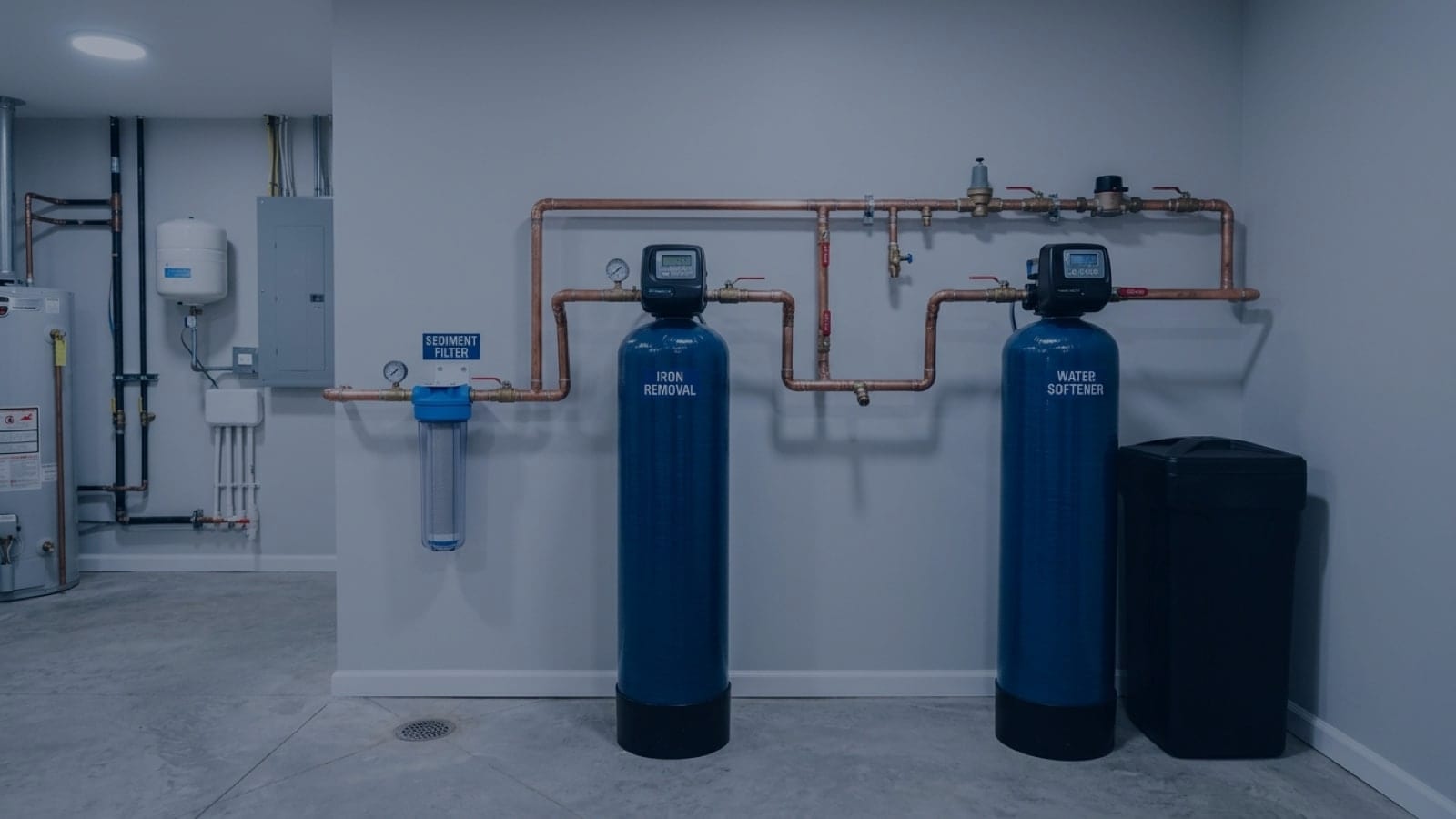
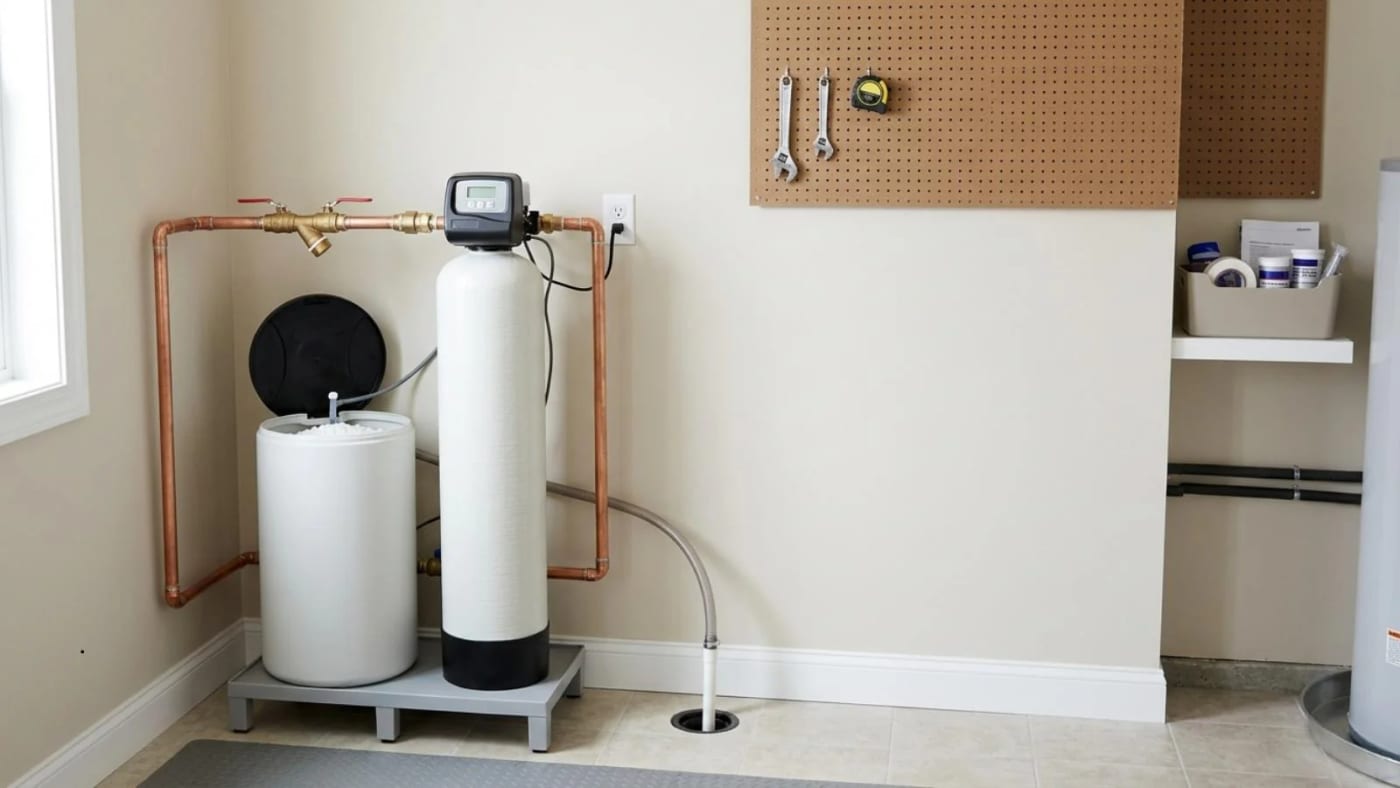
Water Softener Installation
Water softener installation sized to your home's hardness, for soft water at every tap.
Learn more →
Based in Summit · Serving Union, Essex & Morris County, NJ
Water softener installation, whole house water filtration, reverse osmosis, and well water systems for central New Jersey homes. Tell us what you’re dealing with and get one system matched to your home, installed by a licensed NJ master plumber. Nothing more than you need.
Free quote
Sound familiar?
Central New Jersey water runs hard, and much of it carries enough chlorine to taste. Left alone, that shows up in your appliances, your skin, and your plumbing.
What we install
Every system is matched to your water and installed by a licensed NJ master plumber.
Water softener installation sized to your home's hardness, for soft water at every tap.
Learn more →
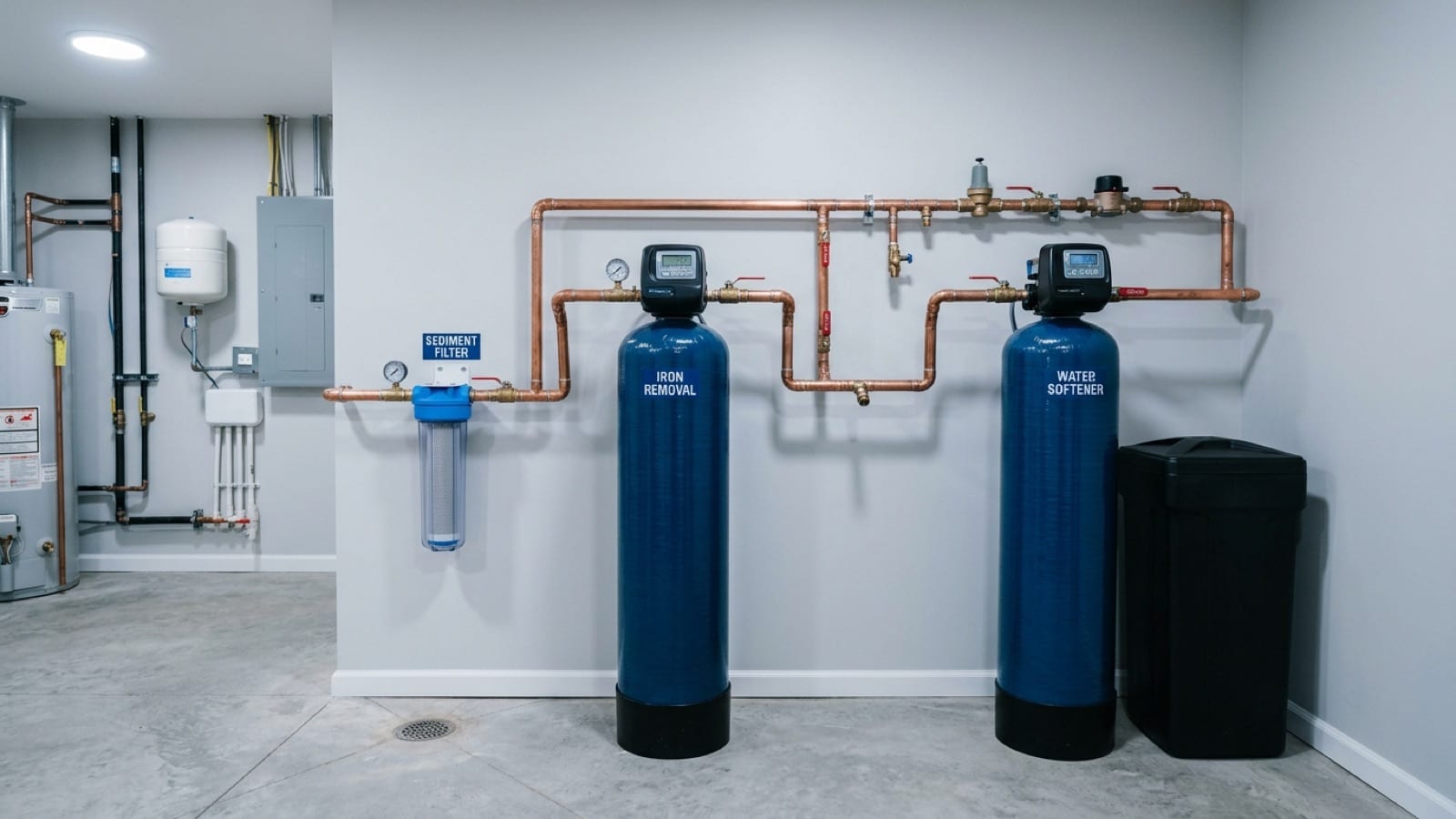
A whole house water filter keeps chlorine in the water main and out of your morning coffee.
Learn more →
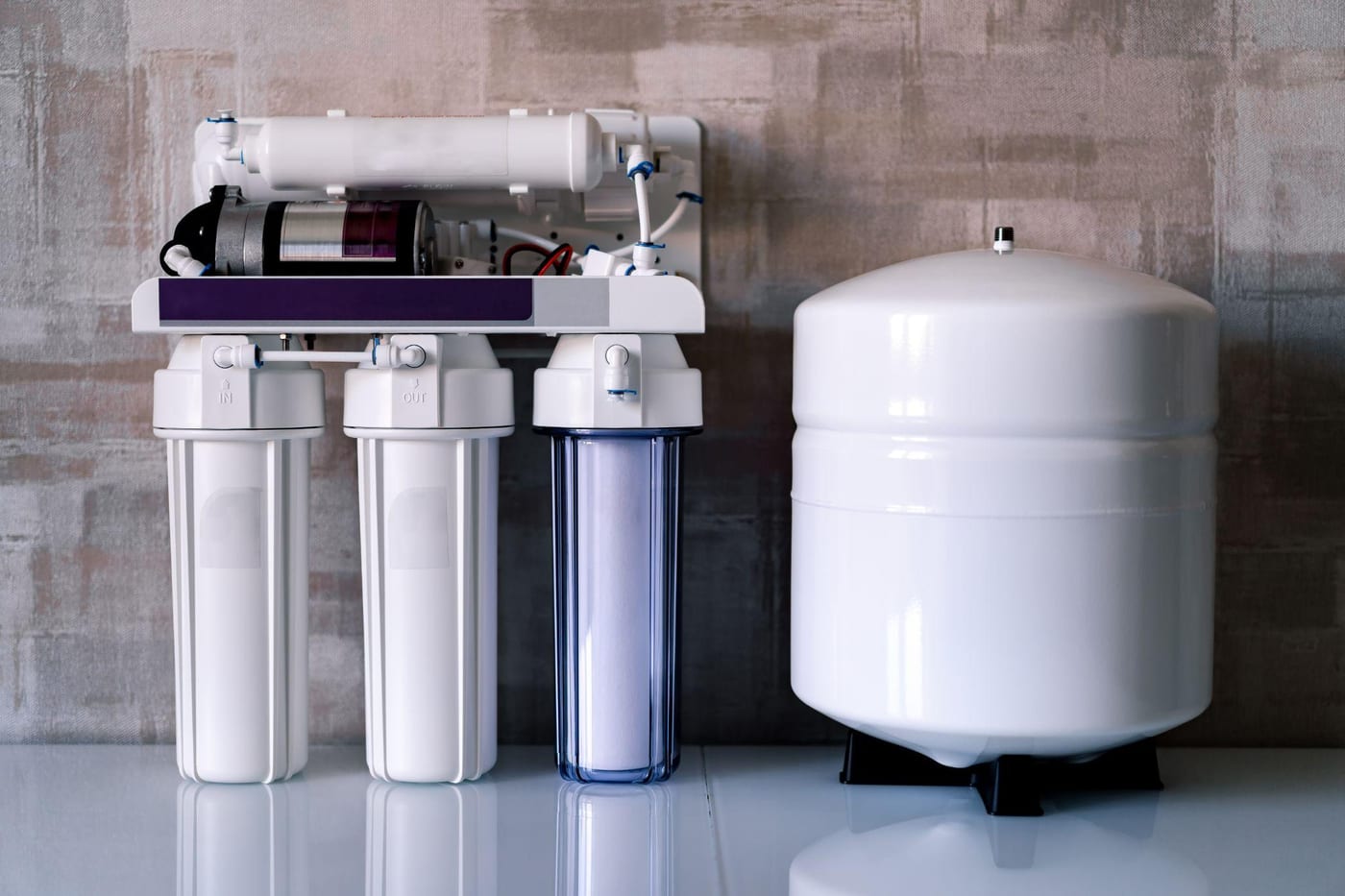
A reverse osmosis system holds the few gallons a day you actually drink to a higher standard.
Learn more →
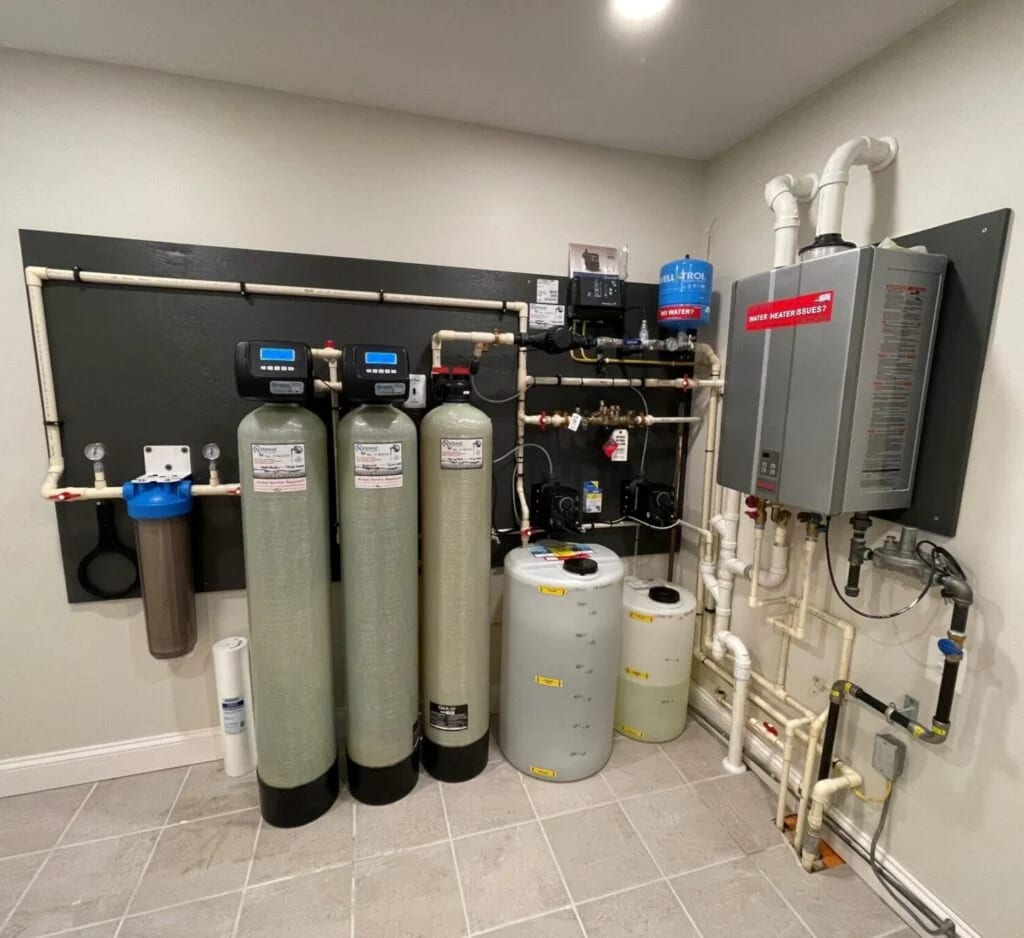
On a private well, you are the water company. The right well water filtration system makes the job manageable.
Learn more →
How it works
Nobody should buy water treatment from a stranger's sales script. You get real numbers, a written quote, and time to decide.
Scale, taste, staining, well problems, or a water quality report you don’t love. We look up what your utility publishes for your town and talk through it with you.
One system matched to your actual water, priced in writing. If your water doesn’t need treatment, we say so and you keep your money.
Every system is installed by a licensed New Jersey master plumber, permitted and inspected the way NJ requires.
Our promise
We are a local, owner-run company working in the towns we live in. Every job is quoted in writing before anything starts, every install is performed by a licensed New Jersey master plumber and carries a permit and our workmanship guarantee, and every review you see here will be a real one.
Your town's actual water
Straight from each utility's own published water quality report, converted to grains per gallon. The dot is the typical level; the lighter bar is the range the utility reports across its supply. Past 7 is where a softener starts paying for itself.
Also serving
See every town we serve or size a softener for your number. A wide range means the utility blends several sources, so hardness varies by street and season. Your utility’s latest report is the source of truth.
Where we work
Every town page carries that town's own utility, its published hardness, and the problems that actually show up there. Start with yours.
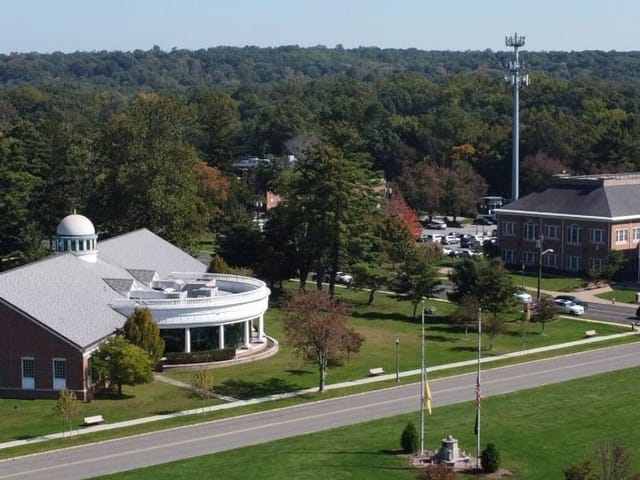
Livingston
13.7 to 29.5 gpg · Essex County
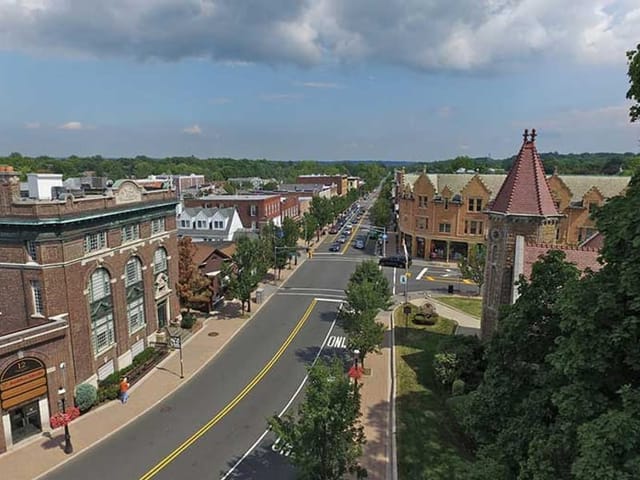
Madison
18.7 to 22.2 gpg · Morris County
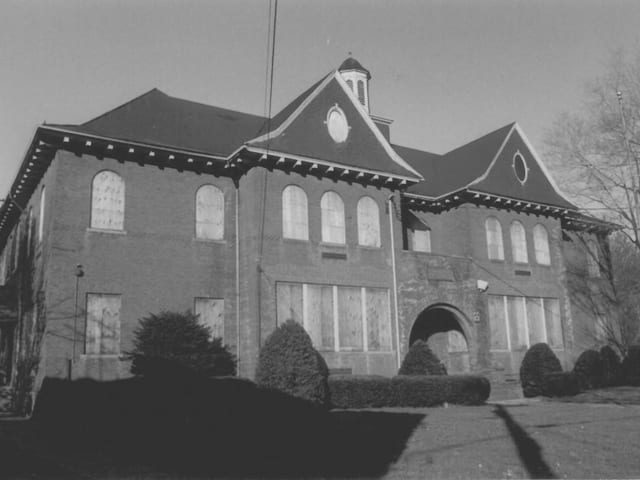
Scotch Plains
5.3 to 35.1 gpg · Union County

Union
5.3 to 35.1 gpg · Union County
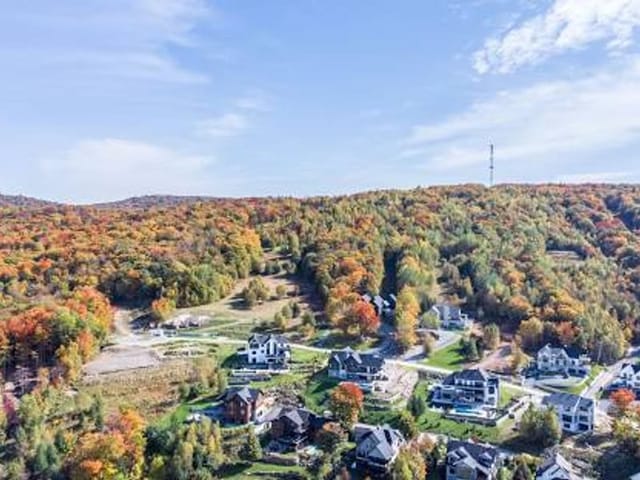
Mountainside
5.3 to 35.1 gpg · Union County
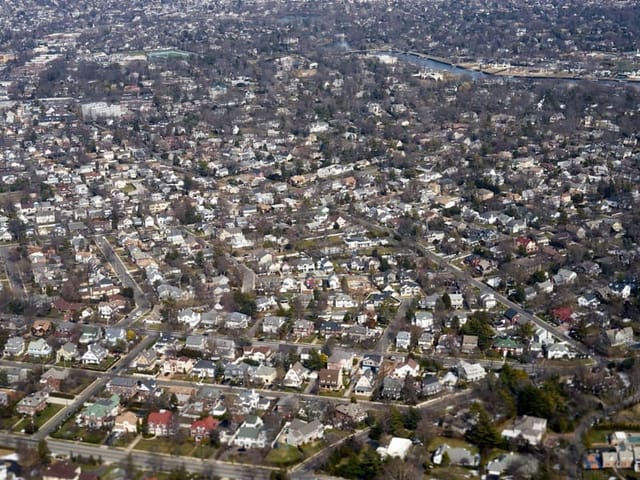
Springfield
14 to 17.1 gpg · Union County
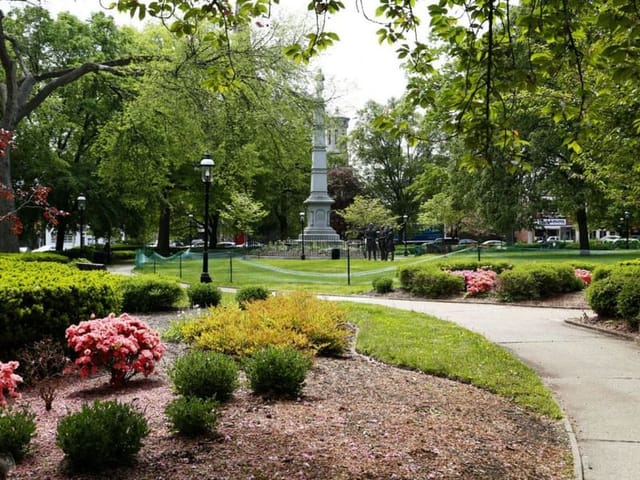
Morristown
1.9 to 25.1 gpg · Morris County
Montclair
2.5 to 21.1 gpg · Essex County
Essex County
Morris County
Somerset County
Don’t see your town? We likely still cover it. Ask for a quote or compare hardness across every town we serve.
NJ water guide
Plain-English guides to the three things NJ homeowners ask us about most.
Central Jersey Water Guide
What hard water actually costs a New Jersey home in scale, soap and appliance life, how ion exchange softening works, and how to tell whether your home needs it.
NJ Water Quality Guide
PFAS were found in 63% of tested NJ water systems; 12.1% of tested wells exceed a state limit. NJ's limits, the federal rule, and what removes them.
Well Water & Real Estate
What NJ's Private Well Testing Act requires when a home on a well is sold or leased: the county-by-county test list, real failure rates, and next steps.
Hard water data
NJ water hardness town by town from real utility documents: mg/L and grains per gallon for 20 Union, Essex, Morris and Somerset County towns, and how to look up yours.
City water
Do I need a water softener on city water in NJ? Utilities treat for safety, not hardness. Find your grains per gallon and the 7 gpg line where a softener pays.
Questions we get
Published New Jersey ranges run about $1,800 to $7,000 installed, with most residential jobs in the $2,500 to $4,500 band. The equipment is rarely the expensive part here. Labor by a licensed master plumber, the municipal permit, and adding a softener loop where none exists are what move the number. Our cost guide breaks out every line item.
It depends on your town, and the spread is wide. New Jersey American Water reports roughly 6 to 7.6 grains per gallon for Westfield and Cranford, while Madison sits around 18.7 to 22.2 and parts of Livingston reach 29.5. Anything above 10.5 gpg is very hard on the USGS scale. Your town page lists the utility’s own published number.
People in the home times 75 gallons a day times your hardness in grains per gallon, times seven days, rounded up to the next standard capacity. A family of four on Westfield water lands around a 24,000 or 32,000 grain unit; the same family in Madison needs closer to 48,000. Our calculator runs it with your town preloaded.
Possibly. Utilities treat water for safety, not for hardness, and New Jersey American Water does not soften what it delivers. Whatever hardness is in the source water reaches your tap. The question is your number, not whether the water is municipal.
They solve different problems and many homes end up with both. A softener uses ion exchange to remove calcium and magnesium, which is what stops scale in your water heater and spotting on glassware. A whole house carbon filter targets taste and odor, mainly the chlorine or chloramine your utility adds for disinfection. A softener will not improve taste, and a carbon filter will not stop scale.
They are not softeners, which is the honest answer. Salt-free units are conditioners that change how hardness minerals behave so they are less likely to stick as scale, but the calcium and magnesium stay in the water and your hardness reading does not drop. They can help with scale in some homes, and they use no salt and waste no water. If you want the classic soft water feel and measurably lower hardness, only ion exchange does that.
Most softener and whole house filter installs run a few hours to a single day. What changes the timeline is the plumbing, not the equipment. If your home already has a softener loop, a drain within reach, and an outlet, it is quick. If the main line has to be cut and rerouted, or the basement ceiling is finished, it takes longer. We tell you which situation you are in when we quote, so install day holds no surprises.
No. A softener is certified to NSF/ANSI 44 for hardness, and that certification says nothing about PFAS or lead. Reducing those calls for different equipment: carbon or reverse osmosis systems certified to NSF/ANSI 53 or 58 specifically for the contaminant in question. Watch the claim on the listing rather than the standard number on the box, because a product can carry NSF/ANSI 53 for one contaminant and do nothing for another.
Yes. We repair and service all makes and models, including units we did not install and brands whose dealer has moved on. Common calls are salt bridging in the brine tank, a valve stuck in regeneration, resin that has fouled with iron, and a unit that quietly stopped softening. We will tell you honestly when a repair makes sense and when the age of the unit means replacement is the better spend.
Less than most people expect. You top up the salt when it runs low, which is roughly every four to eight weeks for a correctly sized unit on moderately hard water. Beyond that, an occasional check of the brine tank for a salt bridge and a yearly look at the valve keeps it healthy. A metered valve regenerates based on the water you actually use, so it is not burning salt on a fixed timer.
More in the NJ water guide or the full cost breakdown.
Tell us what you’re dealing with and get a straight written quote from a local pro. No pressure, no sales script.